Elena Richter · 10 September 2026
Polish Rural Scholarship Recipients Pivot Toward Tech-Integrated Sustainability Training in Regional Vocational Centers
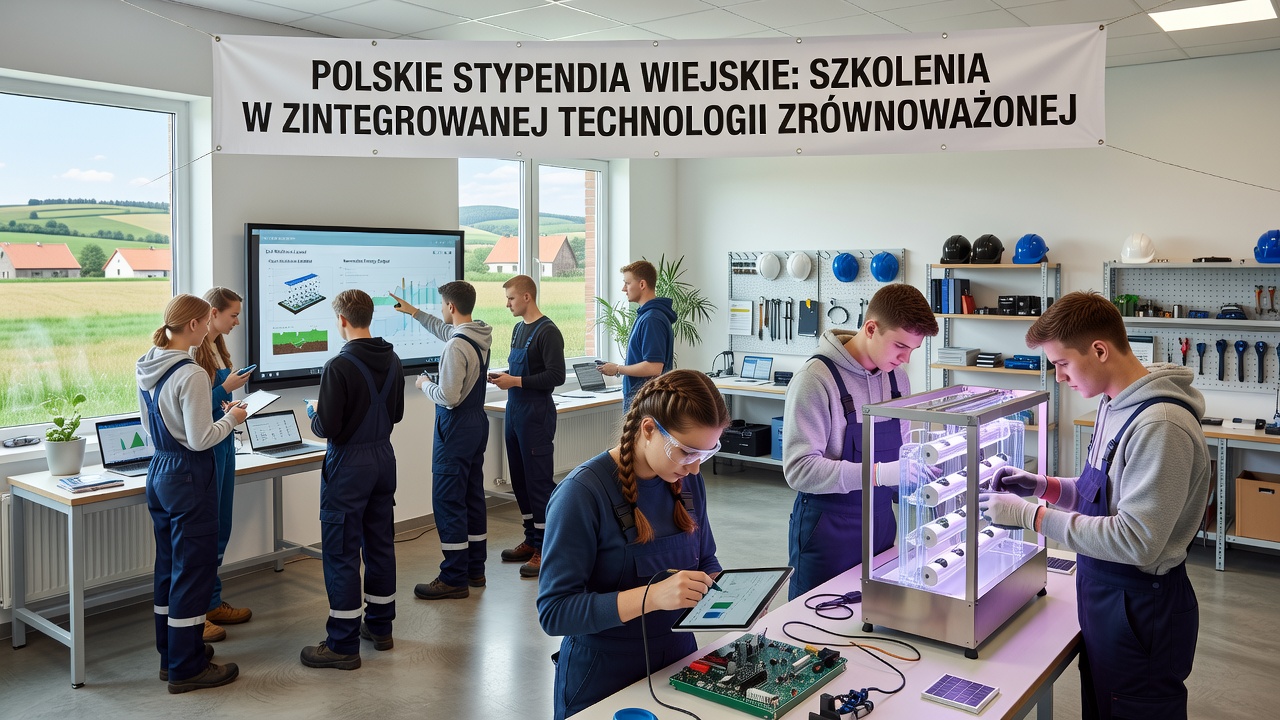
Scholarship programs supporting students from rural Poland have directed increasing numbers of recipients into training programs that combine digital technologies with sustainability practices at regional vocational centers, and enrollment patterns show measurable shifts beginning in the 2025-2026 academic cycle. Government records indicate that rural scholarship allocations, previously concentrated in traditional farming and basic trades, now incorporate modules on precision agriculture tools, renewable energy systems, and data-driven resource management.
Background on Rural Scholarship Structures
Polish education authorities have maintained dedicated funding streams for students originating from communities with populations under 20,000 since the early 2010s, and these streams tie eligibility to residency records maintained by gminas across voivodeships such as Lubelskie, Podkarpackie, and Warmińsko-Mazurskie. Figures released by the Ministry of Education and Science document that roughly 14,800 rural scholarship holders pursued vocational pathways in 2024, yet preliminary tallies for the upcoming September 2026 intake already reflect a 23 percent rise in applications specifying tech-sustainability tracks at centers located in smaller regional hubs.
Vocational centers in these areas operate under frameworks established by the Polish Qualifications Framework, which aligns course outcomes with European Union directives on green transition skills, and centers in towns such as Chełm and Krosno have introduced certification pathways that require demonstrated competence in sensor networks for soil monitoring alongside knowledge of circular economy principles.
Program Adjustments in Regional Centers
Regional vocational centers have revised curricula to embed technology components within sustainability modules, and instructors now deliver sessions covering geographic information systems for land-use planning, automated irrigation controls, and photovoltaic installation paired with energy storage analytics. One center in the Świętokrzyskie region reported that 62 percent of its 2025 scholarship cohort selected the integrated track, compared with 31 percent two years earlier.
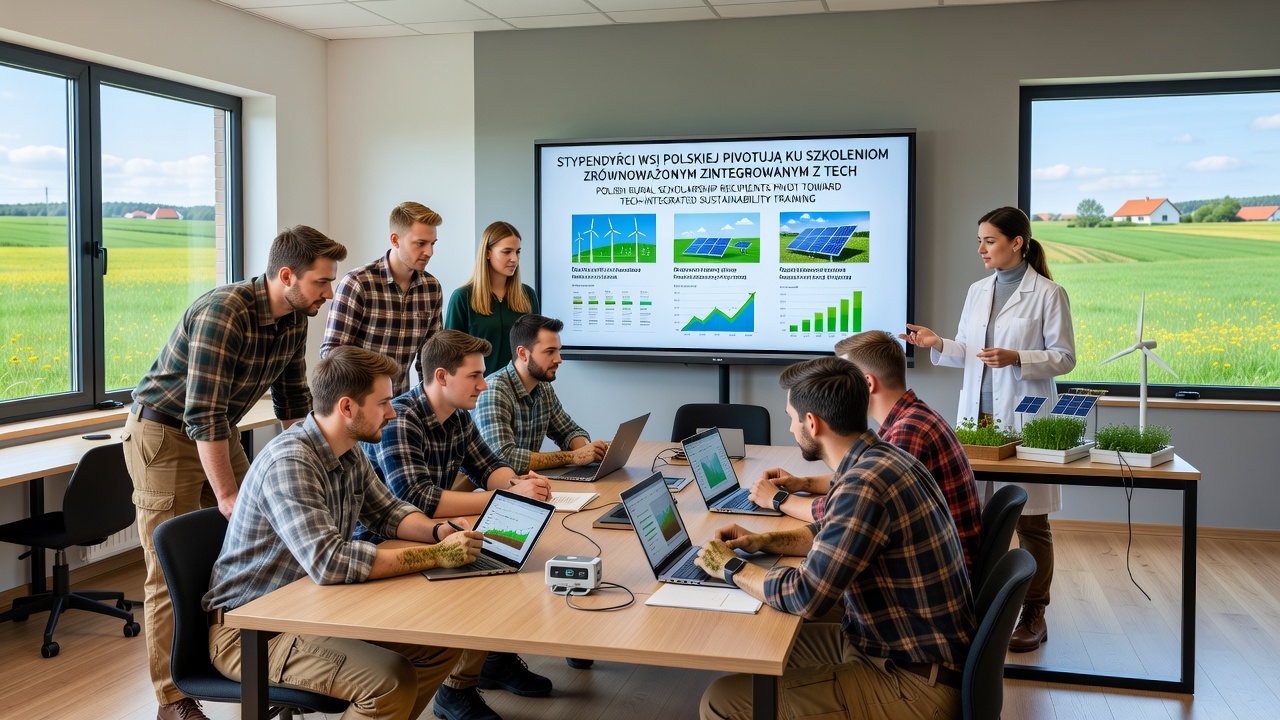
Partnership agreements between centers and local agricultural cooperatives supply real-world datasets for student projects, while equipment grants from EU structural funds have equipped laboratories with drones, soil probes, and modeling software. Training schedules run from September through June, with practical placements scheduled at nearby farms or energy cooperatives during the spring term.
Enrollment Trends and Supporting Data
Administrative statistics compiled by regional education boards show that applications for sustainability-focused vocational programs among scholarship recipients increased from 4,210 in 2023 to 6,890 in 2025, and projections for September 2026 point toward continued growth once final confirmation rounds conclude. Observers note that centers offering combined credentials in digital tools and environmental management have recorded higher retention rates than single-discipline tracks, with completion figures reaching 87 percent in the most recent cohort.
National labor market reports link these training adjustments to demand for technicians capable of operating smart-grid components and maintaining biodiversity monitoring systems, and placement rates for graduates of the integrated programs stand at 78 percent within six months of certification according to data from the Central Statistical Office.
Regional Variations and Implementation Details
Centers in northern voivodeships emphasize forestry applications such as LiDAR mapping for sustainable harvesting, whereas southern locations prioritize viticulture and water-management technologies suited to local terrain. Instructors coordinate with municipal authorities to align project work with regional climate-adaptation plans, and assessment rubrics require students to produce documented case studies that incorporate both sensor data outputs and regulatory compliance checks.
September 2026 marks the scheduled rollout of an expanded module on carbon accounting software at five additional centers, and participating scholarship recipients will receive supplementary stipends tied to successful completion of the digital assessment components.
Conclusion
Scholarship-supported pathways through regional vocational centers continue to incorporate technology and sustainability elements at a steady pace, and administrative records confirm that enrollment patterns for the September 2026 cycle reflect sustained interest among rural applicants. Centers maintain alignment with national qualification standards and EU green-skill priorities while delivering hands-on training in applied digital tools, and outcome data from recent cohorts demonstrate measurable progression into related employment sectors.